
How to Play Theropods on Linux: A Wordless Dinosaur Adventure
If you’ve been craving a thoughtful point-and-click adventure that runs natively on Linux without Proton, SteamTinkerLaunch, or any of the usual compatibility wrangling, Theropods is the kind of release Linux has quietly been waiting for. Developed by Lost Token and published by Dionous Games, it launched on Steam, GOG, and Epic Games Store on August 20, 2026, after almost ten years in development. It’s native Linux, Steam Deck verified, and — at the time of writing — sitting on a 94% positive review rating across 68 user reviews. Not bad for a wordless, hand-drawn, point-and-click adventure about a girl, a stranded spaceman, and a jungle full of hungry dinosaurs.
This guide walks you through what Theropods actually is, why the Linux-native build matters, how to install it across the three major storefronts, and how to get the most out of its puzzle design. There’s also a bit on the press kit, the soundtrack, and why “no dialogue” turns out to be a feature, not a limitation.
What Theropods actually is
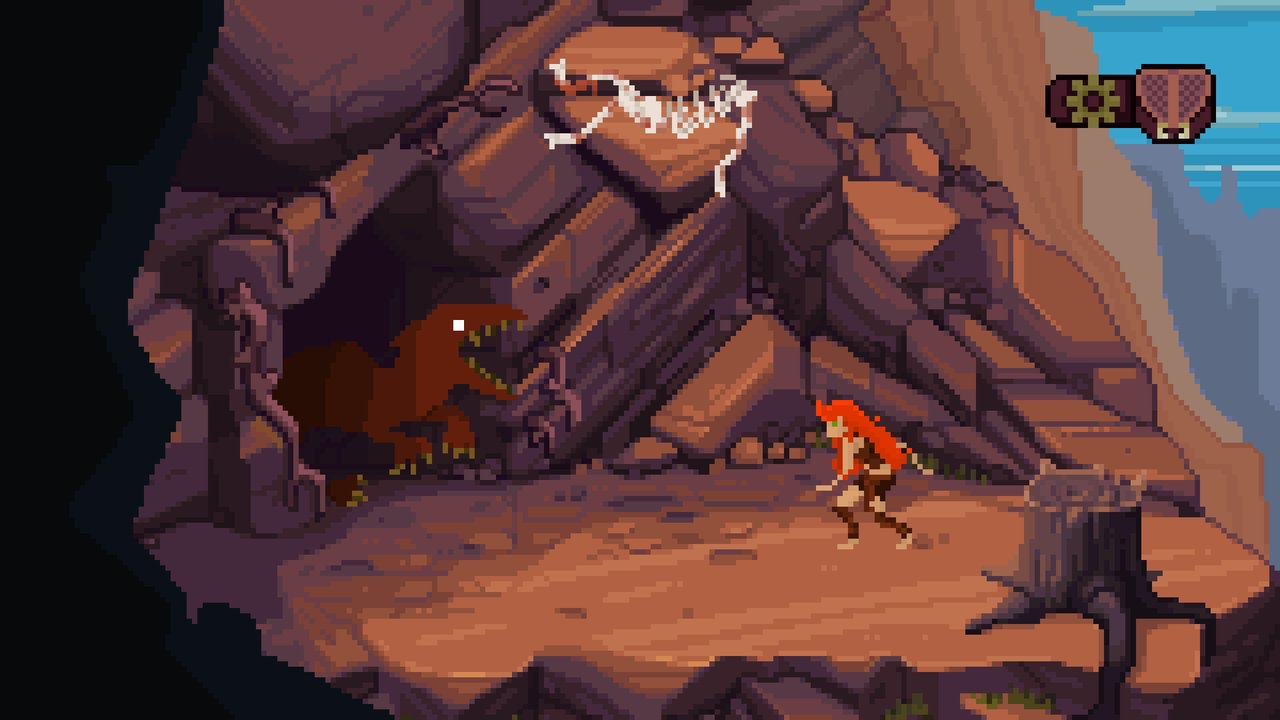
Theropods sits in a small, beloved corner of adventure gaming: the wordless point-and-click. Think classic LucasArts and Sierra puzzles, but instead of clicking a verb bar and reading dialogue trees, you read the world. Characters gesture, react, and emote. Objects change states when you interact with them. The story moves forward through animation, sound, and environmental storytelling.
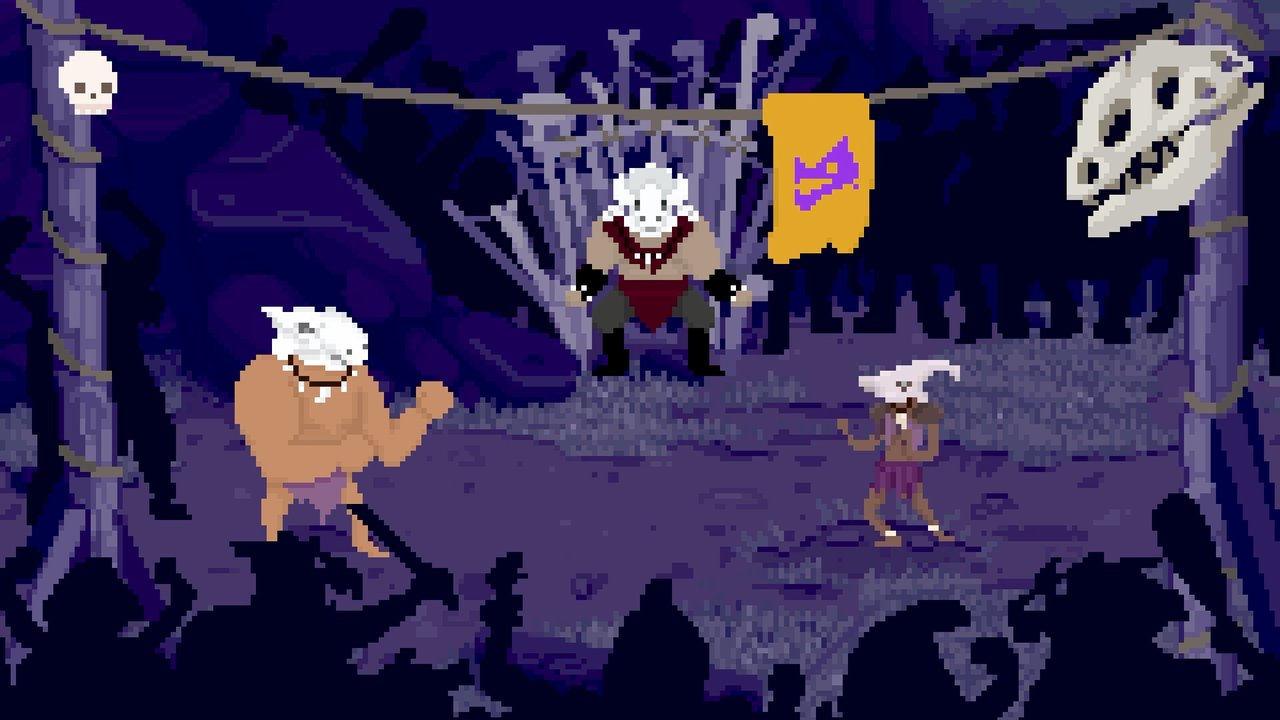
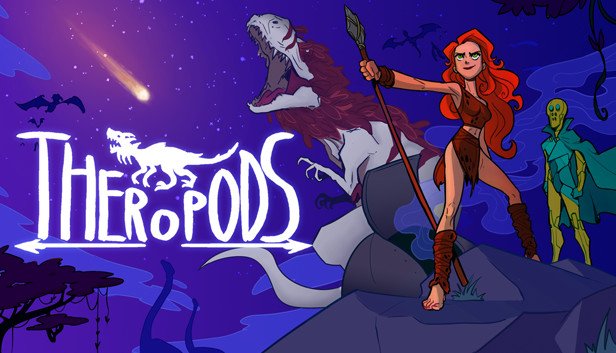
The plot: a glowing stone crashes into a young hunter’s village, drawing a violent tribe that attacks and enslaves her people. She escapes into the jungle and discovers the stone powers a stranded spaceman’s damaged pod. Together, they have to cross dinosaur-infested lands, free her tribe, and find a way to send him home.
That’s it. No textboxes, no voice acting. Just movement, mood, and the puzzles.
Why the Linux-native build is a real selling point
Most modern point-and-click adventures ship as Unity, GameMaker, or Godot projects that compile to Windows and Mac. The Linux build is usually an afterthought, or missing entirely, leaving Steam Deck players to lean on Proton. Theropods doesn’t have that problem. The Steam page lists the Linux minimum as:
- OS: Ubuntu 16.04 / 18.04
- Processor: 64-bit with SSE2
- Memory: 4 GB (8 GB recommended)
- Graphics: OpenGL 3.2+
- Storage: 1 GB available
Those are modest specs. The Linux binary is first-party, not a Wine wrapper, and the game is Steam Deck Verified. If you’re running a desktop distro — Fedora, Nobara, Bazzite, Arch, openSUSE, Ubuntu, Linux Mint — the binary will launch directly from your storefront of choice without any extra configuration.
The 103 supported interface and subtitle languages are also notable. Because the game is wordless, that list is more about menu accessibility than voice work, but it does mean the localization team has actually paid attention to non-Latin scripts, RTL languages, and Asian character sets.
Installing Theropods on Linux
You have three storefront options. Pick whichever fits your existing library.
Steam (most common path)
- Open Steam on Linux.
- Search for “Theropods” or visit https://store.steampowered.com/app/1091870/Theropods/ directly.
- Click Add to Cart and complete checkout. At launch there was a 20% introductory discount bringing it to $13.99 USD; check the current price on the store page.
- Click Install, choose your Steam library drive, and wait for the ~1 GB download.
- The Linux build is selected automatically when Proton is disabled (right-click the game → Properties → Compatibility → “Force the use of a specific Steam Play compatibility tool” → off). You can leave Steam Play on default if you prefer; the game runs natively either way on Deck.
Steam Cloud syncs your save files, which is useful if you bounce between a desktop and a Steam Deck.
GOG (DRM-free, great for offline backups)
GOG’s Linux build is a standalone installer you can archive forever:
- Visit https://www.gog.com/en/game/theropods and purchase. GOG Galaxy works on Linux but isn’t required — the offline installer is the whole point.
- Download the Linux installer (
theropods_installer_<version>.sh). - Make it executable:
chmod +x theropods_installer_*.sh - Run it:
./theropods_installer_*.sh - The installer creates a launchable
.desktopentry under~/.local/share/applications/and drops the game into~/GOG Games/Theropods/.
Because GOG builds are DRM-free, you can back up the entire ~/GOG Games/Theropods/ folder and reinstall it on any Linux box years from now without depending on a live storefront.
Heroic Games Launcher (Epic + GOG in one client)
If you already use Heroic Games Launcher for your GOG and Epic libraries — and the previous article on this site covered Heroic 2.22 specifically — you can add Theropods there as well:
- Open Heroic, sign in to your GOG or Epic account.
- Search for Theropods in the library panel, click Install.
- Heroic handles Wine prefixes automatically for any non-native game; for Theropods it should detect the Linux build and run it directly.
This is the cleanest option if you’re keeping your DRM-free game collection in one place.
How the puzzles actually work
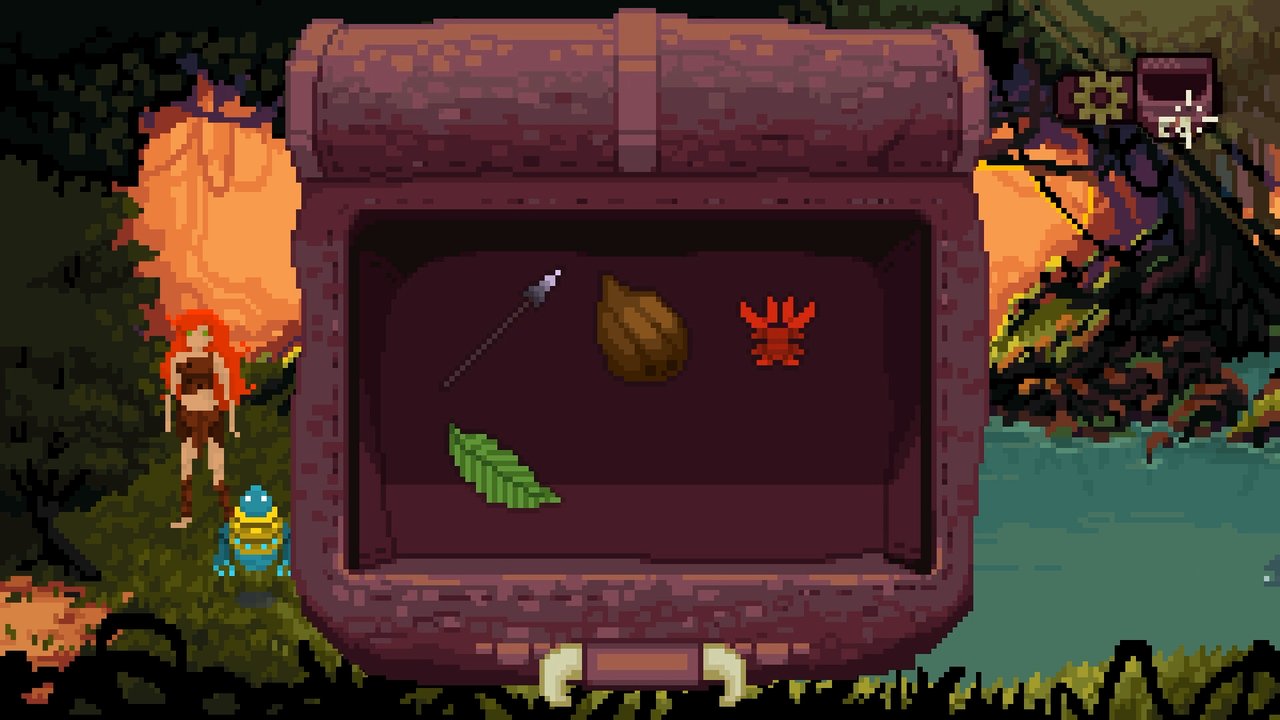
The press kit describes the design as “visual logic.” In practice, that means: rather than collecting ten unrelated inventory items and combining them in arbitrary ways, Theropods wants you to watch how the world behaves. A dinosaur reacts to movement in a specific way. A tribe member guards a path with a particular weakness. The stranded spaceman has tools that respond to certain materials. The puzzles emerge from observation.
A few examples of the “brains over brawn” design philosophy the developers highlight:
- Distraction puzzles — dangle bait to lure a dinosaur away from a blocked path
- Gesture-based interactions — wave, beckon, point at objects, and your partner responds in kind
- Environmental state changes — flood an area, light a fire, drop a rock; the scene transforms and reveals new routes
- Co-op with the spaceman — split tasks, use his tools, protect him from threats he can’t handle alone
If you’ve ever bounced off a point-and-click because “I have a rubber chicken and a coffee mug and I need to combine them to make a chicken-mug-cup,” you’ll appreciate the difference. Theropods puzzles feel closer to a Hanna-Barbera cartoon short than to a textbox-driven adventure.
The art direction
The most striking thing about Theropods is the hand-drawn pixel art with cinematic frame-by-frame animation. Each scene feels like a moving painting. The jungle is layered with ferns, vines, shafts of light, and ambient creature movement. Dinosaurs are rendered with weight and personality, not as reskinned lizard sprites.
The color palette skews earthy — moss greens, ochre, deep teals — for the prehistoric sections, with electric blue accents wherever the sci-fi elements appear. The glowing stone and the spaceman’s damaged pod are designed to contrast against the natural palette, which makes them feel genuinely alien.
The soundtrack is an intentional departure from typical adventure-game fare. According to the press kit it blends tribal rhythms with eerie sci-fi synthesizers. In practice that means percussion-forward jungle cues give way to analog-synth drones when the stone is active, and tense string arrangements whenever dinosaurs are nearby. Sound design carries a lot of the storytelling in a wordless game, and the audio team clearly understood that.
What the reviews actually say
At launch, 94% of the 68 Steam reviews were positive. Pulling quotes from the curated press section:
- 8/10 — Gamereactor: “It’s in the pixel art and hand-made animation where the true beauty of the game lies.”
- 4/5 — Digitec: “Theropods proves that a point-and-click adventure needs no words. Not a single one.”
- 8/10 — Gamer.no: “One of the few point-and-click adventures I’d happily play again.”
The recurring thread across reviews: players come for the dinosaur premise, stay for the animation, and finish it wishing there were more. It’s a tight, polished experience rather than a sprawling one. Expect 6–10 hours for a first playthrough if you don’t get stuck on any particular puzzle, longer if you want to fully explore.
Steam Deck performance notes
Because the game is officially Steam Deck Verified, you can expect:
- Resolution: 1280×800 native, no upscaling artifacts
- Performance: locked 60 fps on Deck LCD and Deck OLED
- Battery: roughly 3–4 hours depending on screen brightness and refresh rate
- Controls: fully rebindable; the gamepad layout is intuitive out of the box
- Cloud saves: enabled by default
If you’re playing on a desktop with a controller, the same layout applies — Theropods has no mouse-and-keyboard-only sections, which is rare for a point-and-click adventure.
A few honest caveats
Every review I’ve read has been positive, but there are a few things worth flagging:
- It is short. 6–10 hours is a complete run. If you want a 40-hour RPG, this is not it. If you want a tight, polished adventure that respects your time, it is.
- No dialogue means no re-read. If you miss a visual cue early on, you may get stuck. There’s an in-game hint system that nudges you in the right direction without spoiling puzzles, but you might need to use it.
- The demo is still live. If you’re on the fence, the Steam demo covers the opening act and is a fair representation of the full game’s design philosophy.
Final thoughts
Theropods is the rare indie point-and-click that ships with a Linux-native build, runs flawlessly on Steam Deck, and respects the adventure-game tradition without leaning on nostalgia as a crutch. After ten years of development it lands as a complete, considered experience rather than a prototype, and the wordless design choice isn’t a gimmick — it’s the strongest part of the game.
If you’ve been looking for something to play on a quiet evening that doesn’t require a 30-hour commitment and doesn’t tax your GPU, Theropods is worth the $13.99 introductory price. Pick it up on whichever storefront fits your library, then put on a decent pair of headphones and let the animation carry the story.
For more on running games on Linux without Proton, see our earlier guides on Heroic Games Launcher and Lutris.
Official site and sources:
Comments